
Empowerment
Mental health for young girl matters.

Written by Tooth fairy · Dr.
Mental Health Matters for Young Girls
Introduction
Mental health is just as important as physical health, yet it is often overlooked when it comes to young girls. As girls grow through childhood and adolescence, they experience rapid emotional, physical, and social changes. Academic pressure, family expectations, friendships, body image concerns, social media, and the transition into adulthood can all affect their mental well-being.
According to global health organizations, mental health challenges often begin during adolescence. When these concerns are ignored, they can influence education, relationships, confidence, and future opportunities. On the other hand, when girls receive understanding, support, and access to appropriate care, they are more likely to develop resilience, achieve their goals, and lead healthy, fulfilling lives.
Supporting the mental health of young girls is not only an individual responsibility but also a shared responsibility of families, schools, communities, healthcare professionals, and policymakers.
What Is Mental Health?
Mental health refers to a person’s emotional, psychological, and social well-being. It influences how individuals think, feel, make decisions, handle stress, and build relationships.
Good mental health does not mean feeling happy all the time. Every person experiences sadness, disappointment, fear, or anxiety at times. Healthy mental well-being means having the ability to cope with these emotions, seek support when needed, and continue functioning in everyday life.
For young girls, positive mental health supports:
* Healthy self-esteem and confidence.
* Better academic performance.
* Strong friendships and communication skills.
* Emotional resilience during challenges.
* Healthy decision-making.
Why Young Girls Face Unique Mental Health Challenges
Girls often encounter pressures that differ from those experienced by boys. These pressures can begin at an early age and increase during adolescence.
Academic Expectations
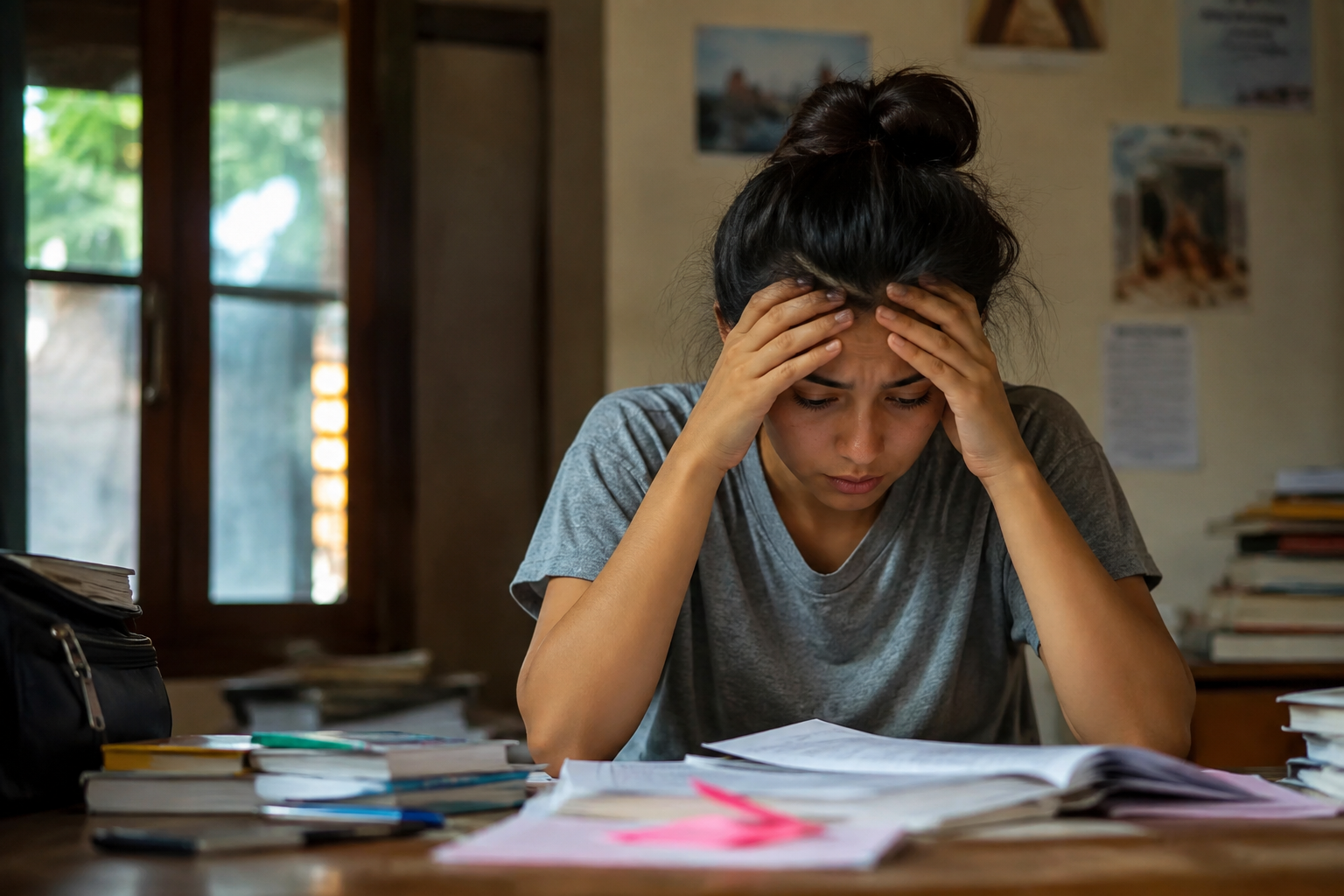
Many girls feel pressure to excel academically while also participating in extracurricular activities. Constant comparison with peers and fear of failure can contribute to chronic stress and anxiety.
Social Media and Digital Life
Social media has created opportunities for learning and connection, but it has also introduced unrealistic beauty standards and constant comparison. Carefully edited images and online trends may cause girls to question their appearance or self-worth.
Cyberbullying, online harassment, and the pressure to maintain a perfect online image can further affect emotional well-being.
Body Image Concerns
Puberty brings significant physical changes. During this period, many girls compare themselves with unrealistic standards promoted online or in entertainment. Poor body image may lower self-confidence and, in some cases, contribute to unhealthy eating behaviors or emotional distress.
Gender Expectations
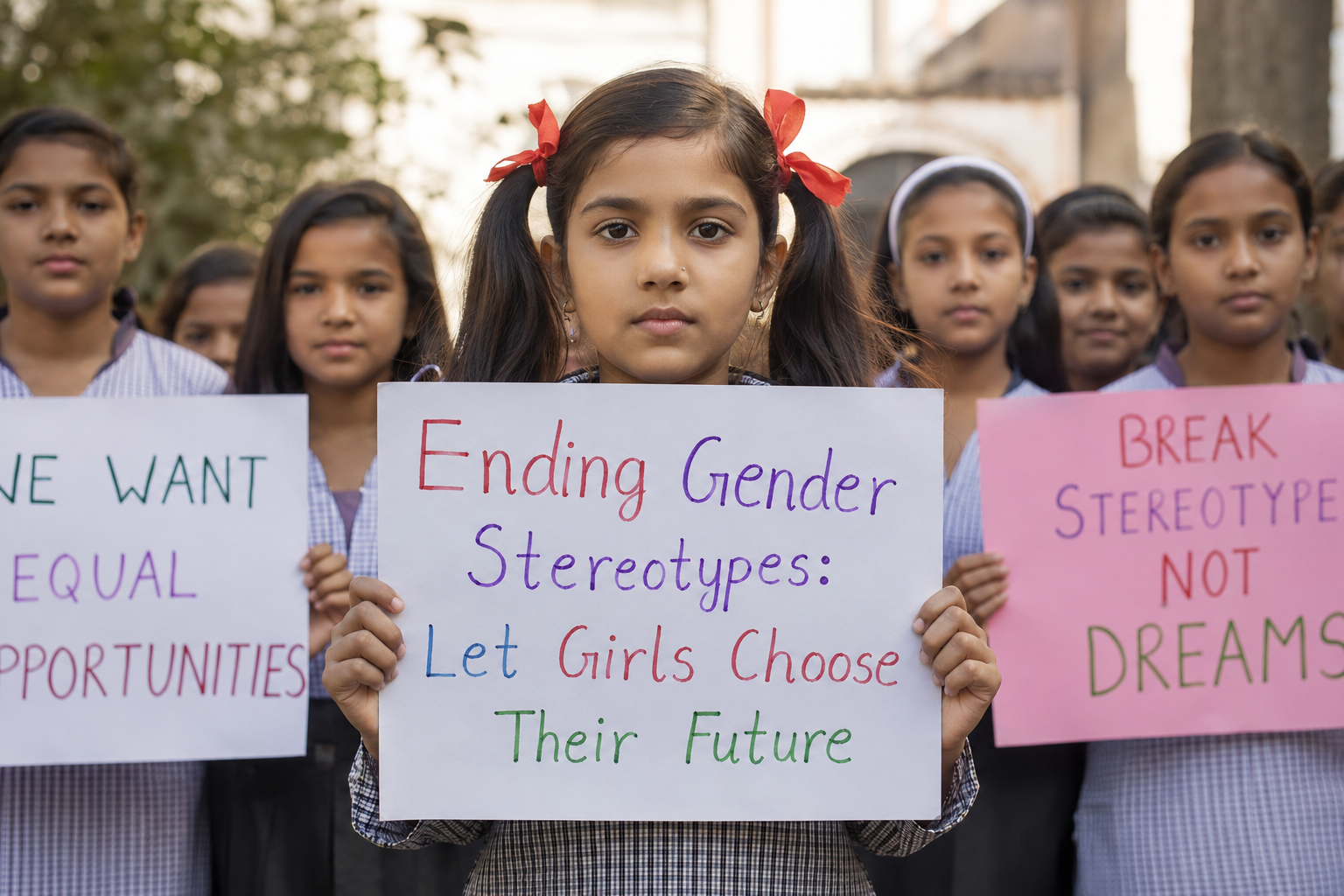
Traditional stereotypes sometimes discourage girls from expressing anger, setting boundaries, or pursuing careers in fields traditionally dominated by men. Such expectations can limit confidence and increase emotional stress.
Family and Social Challenges
Financial difficulties, family conflict, discrimination, violence, or the loss of a loved one can significantly affect a girl’s mental health. A lack of emotional support may make it more difficult for her to cope with these experiences.
Common Mental Health Concerns
Mental health conditions vary in severity, and only qualified healthcare professionals can diagnose them. However, some concerns are commonly seen among adolescents.
Anxiety
Anxiety involves persistent worry or fear that interferes with daily life. Signs may include excessive nervousness, difficulty concentrating, trouble sleeping, and avoidance of certain situations.
Depression
Depression is more than temporary sadness. It may involve ongoing feelings of hopelessness, loss of interest in enjoyable activities, changes in appetite or sleep, fatigue, and difficulty concentrating.
Stress
Occasional stress is a normal part of life, but prolonged stress without healthy coping strategies can affect emotional and physical health.
Low Self-Esteem
Girls with low self-esteem may constantly doubt their abilities, fear criticism, or believe they are not good enough despite evidence of their strengths.
Warning Signs That Should Not Be Ignored
Parents, teachers, caregivers, and friends should pay attention to changes that persist over time, such as:
* Withdrawal from family or friends.
* Persistent sadness or irritability.
* Sudden decline in school performance.
* Changes in eating or sleeping habits.
* Loss of interest in hobbies.
* Frequent headaches or stomach aches without a clear medical cause.
* Difficulty concentrating.
* Talking negatively about themselves or expressing feelings of worthlessness.
These signs do not always indicate a mental health condition, but they deserve compassionate attention and, when appropriate, evaluation by a qualified healthcare professional.
Building Strong Mental Health
Supporting mental well-being requires consistent care rather than a single solution.
Encourage Open Communication
Girls should feel safe discussing their emotions without fear of judgment. Adults who listen patiently and validate feelings help build trust.
Promote Healthy Habits
Regular physical activity, balanced nutrition, adequate sleep, and limited screen time all contribute to emotional well-being.
Teach Emotional Skills
Helping girls identify emotions, solve problems, manage stress, and practice mindfulness can strengthen resilience throughout life.
Celebrate Effort, Not Perfection
Recognizing persistence, kindness, creativity, and personal growth encourages healthy self-esteem and reduces the fear of failure.
Foster Positive Relationships
Supportive friendships, caring families, mentors, and trusted teachers provide emotional security during difficult times.
The Role of Schools
Schools play an important role in promoting mental wellness by:
* Creating inclusive and respectful learning environments.
* Addressing bullying promptly.
* Providing access to trained counselors when available.
* Teaching emotional intelligence and life skills.
* Encouraging participation in sports, arts, and community activities.
Students who feel safe and supported are more likely to thrive academically and socially.
The Responsibility of Families
Families are often the first source of emotional support.
Parents and caregivers can help by:
* Spending quality time together.
* Listening without immediate criticism or judgment.
* Avoiding unhealthy comparisons with siblings or classmates.
* Encouraging realistic expectations.
* Seeking professional support when concerns persist.
Simple daily conversations can make a meaningful difference in a young girl’s confidence and emotional security.
When Professional Help Is Needed
If emotional difficulties continue for several weeks, interfere with school or relationships, or become overwhelming, professional support should be considered. Qualified psychologists, psychiatrists, pediatricians, school counselors, and other licensed mental health professionals can provide assessment and evidence-based treatment when appropriate.
Seeking help is a sign of strength, not weakness. Early intervention often leads to better outcomes and helps young people develop healthy coping strategies for the future.
Conclusion
Mental health is the foundation upon which young girls build confidence, education, relationships, and future success. Empowering girls means supporting not only their academic achievements and physical health but also their emotional well-being.
Every conversation that encourages openness, every school that creates a safe environment, every family that listens with compassion, and every community that reduces stigma contributes to a healthier future for girls. By recognizing mental health as an essential part of overall well-being, society can help every girl grow into a resilient, confident, and empowered woman who is prepared to pursue her dreams and contribute meaningfully to the world.
Hey ! This is Dr Vaishnavi Awasthi, I create smiles and you see that's why I'm here
1 stories144K reads0 followers
Inspired? Write your own story.
If you have lived it or witnessed it, this is where you tell it.
Start writingMore like this
Empowerment
Rs 100 for literacy
Exploring the challenges of low literacy in rural areas, specifically in Rath, Uttar Pradesh, and the efforts to address this issue
 TheSorcerer· 4 min
189K reads
TheSorcerer· 4 min
189K reads